

How To Get Your Car Ready For Winters
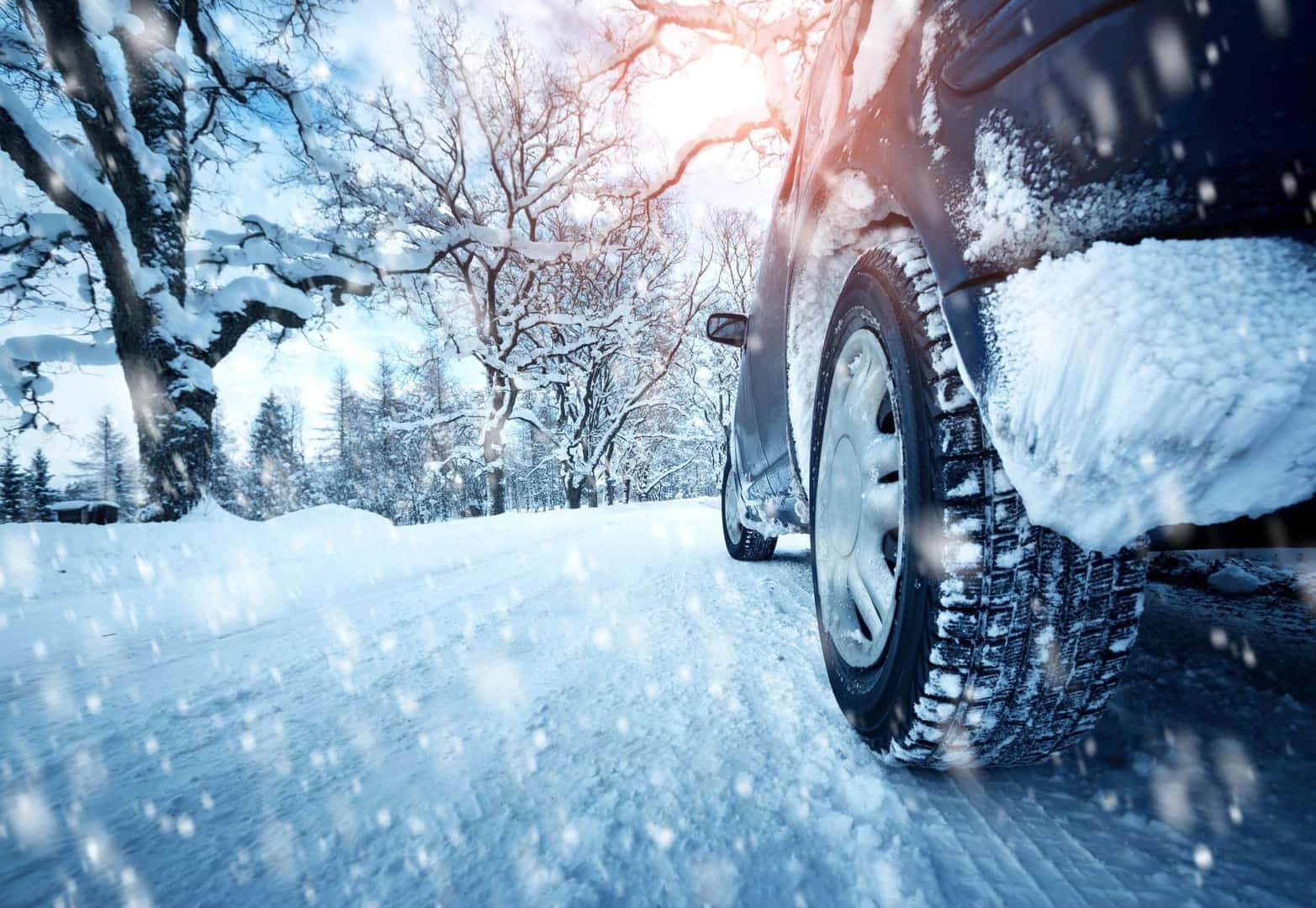
There are many risks to driving in the winter, and you should prepare your car for the cold months ahead. From roads that are icy and slippery to foggy weather, states like Alaska and North Dakota have it all year round.
As a driver, you need to be ready for the harsh conditions that come with winter. Ice and snow can make it hard to see and slip on the roads, making them more dangerous.
It’s essential to take care of your car, so it doesn’t break down or get into an accident. But no matter how long you’ve been driving, you can never be 100% prepared.
Luckily, Auffenberg Farmington has compiled these six tips in this article that’ll help you make sure your car is ready for winter. Read on to learn how to get your car ready for winter.
-
Check the Car’s Tires and Brakes
Driving in the winter can be tricky. And you must ensure your car’s tires and brakes are in good shape before you drive. Tires should have the right amount of air and a good amount of tread depth so they can handle wet roads.
Check tire pressure often for signs of damage or wear. If you live in an area with a lot of snow, buy snow tires to handle the conditions.
Before you leave for your journey, you should also check the brakes on your car. Make sure they respond quickly and do their job right! It’ll help ensure that driving on icy roads is as safe as possible.
Also, be extra careful while slowing down, leaving more space between cars, and not braking hard if you start to skid. These small steps can make a big difference when it comes to getting your car ready for winters.
-
Check Anti-Freeze Coolant
It’s vital to replace the liquid in your radiator with an anti-freeze coolant to keep your engine running at its best. It also helps avoid breakdowns caused by freezing in the winter. The coolant does more than keep it from freezing and cracking.
Coolant also has additives that stop corrosion and lubricants for the water pump to keep the whole cooling system in good shape.
You can use a cheap tester to determine how well your coolant keeps your engine from freezing. Don’t worry, you can replace it with a quality coolant later. Suck in some coolant from the reservoir and look at the scale on the tester to see the results.
Don’t stop there, though. Even if the coolant passes the freeze protection test, that doesn’t mean the additives still work.
You’ll need a digital multimeter to check that. The coolant is fine if the digital voltmeter shows 0.4 volts or less. If you get a reading of more than 4 volts, the additives are gone, and you may need a new radiator, water pump, or heater core. All of these fixes cost a lot more than just changing the coolant.
Also, you should always follow the manufacturer’s instructions when putting new anti-freeze coolant into the radiator of your car or truck. The concentration of chemicals may differ depending on the vehicle’s make and model, so make sure you follow the manufacturer’s guidelines to get your car ready for winter.
-
Test the Car’s Battery
Batteries for cars only last for so long. Don’t wait until yours breaks down, leaving you stuck. With a computerized battery tester available on Amazon, you can check the state of the battery, the starter, and the whole charging system. An automated battery tester checks for resistance and conductance inside the battery and voltage.
This test gives you a good idea of the battery’s overall condition. The tester also checks how well your starter and alternator are working. Make sure the battery tester you buy works with traditional lead-acid batteries and gel and absorbed glass mat (AGM) types. So, you can test your motorcycle, lawn, and garden tools with the same tester.
Moreover, look for rust or leaks around the terminals, which might indicate that you need a new one. Also, check your headlights, brake lights, blinkers, and defoggers to ensure they work. These parts are critical to check when driving in the winter for safety purposes.
If you need to, replace it with a fresh one that is made to work well in cold weather. Proper car battery maintenance will ensure it works well all winter.
-
Refill All Fluids
To properly get your car ready for winters, you must fill up all these fluids:
- Engine oil
- Brake fluid
- Windscreen wipers fluid
- Transmission fluid
- Power steering fluid
- Anti-Freeze Coolant (as mentioned above)
These fluids should all be checked and refilled as needed. This top-up will help keep your engine and other car parts running at their best.
Before the winter, check these fluids at least once a week and add any extras you need. When the temperature drops below freezing, adding these fluids ahead of time can help your car run better.
-
Check Your Heater System
Checking your car’s heater system for leaks and how well the thermostat valve works is essential to ensure it works well in cold weather. You should look for damage or wear on the hoses and pipes. Also, look for signs of radiator leaks in the area around the engine. As well as signs of leaking near the heater core that several problems could cause.
Lastly, thermostat valves are vital because they accurately control how hot the engine gets. So, it’s important to check them regularly to ensure they’re working well and haven’t broken down.
If you need help with such technical tasks. Getting help from a certified service centre is best, such as at Auffenberg Farmington. Our expert technicians regularly check your car’s heater system, so you can be sure your vehicle is ready to take on the harsh winter weather.
-
Lubricate Window Tracks
Lastly, frozen water can get into the window tracks and make them hard to open. That drag can break the cables that move the windows, which will cost you almost $300 to fix. However, you can eliminate this problem by spraying silicone or dry Teflon on the window tracks.
Lower the window and spray right into the front and back window tracks. Put on enough lube so that it drips down the path. Then open and close the window a few times to ensure the lube gets to every part of the track. Spray that lands on the glass can be cleaned off with glass cleaner and a paper towel.
B’laster Advanced Dry Teflon is one of the best ones out there.
Conclusion
Winter weather can make it hard to drive for longer periods. But if your car is in good shape, you won’t have to worry when you hit the road this season. If you follow these tips above, you can ensure everything goes well. No matter where the winter season takes you, don’t let bad weather slow you down.
At Auffenberg Farmington, you can schedule service for your vehicle before the winter starts to have a hassle-free drive. In addition, if you’re looking for a new car, don’t hesitate to visit our showroom at 830 Valley Creek DR, Farmington, MO, or call us at 573-747-4441 to get more information regarding how to get your car ready for winters!
