
How to Check Your Car’s Fluid Levels and Why It’s Important
Key Takeaways:
- Regularly checking your car’s fluid levels can prevent costly repairs and keep your vehicle running smoothly.
- Understand the importance of engine oil, coolant, brake fluid, transmission fluid, and power steering fluid.
- Learn how to check each fluid’s level and identify when it needs to be topped up or replaced.
- Recognize the signs of a fluid leak and how to address it.
- Schedule regular maintenance checks to ensure your car remains in top condition.
Beneath the sleek exterior of your car lies a world of vital fluids that keep it running like a well-oiled machine. Checking these fluid levels is a vital part of car maintenance that every owner should prioritize. By keeping regular tabs on them, you can avoid costly repairs and ensure your vehicle remains dependable and secure. It’s a small yet impactful task that shows your dedication to keeping your trusted ride in top shape.
This article will discuss how to check your car’s fluid levels, the importance of each fluid, and what you can do to maintain optimal fluid levels.
Engine Oil
Engine oil is one of the most important fluids in your car. It lubricates the engine’s moving parts, reduces friction, and helps keep the engine cool.
Checking your car’s engine oil level ensures proper lubrication and prevents engine damage.
To check your engine oil level:
- Park your car on level ground and wait for the engine to cool down.
- Open the hood and locate the engine oil dipstick.
- Remove the dipstick, wipe it clean with a lint-free cloth or paper towel, and reinsert it fully.
- Pull the dipstick out again and check the oil level. It should be between the “min” and “max” marks.
- If the oil level is low, add the appropriate type of engine oil as specified in your owner’s manual.
Coolant
Coolant is a mixture of water and antifreeze that circulates through the engine, radiator, and heater core to regulate the engine’s temperature.
Maintaining the correct coolant level is essential to prevent overheating, which can lead to severe engine damage.
To check your car’s coolant level:
- Make sure your vehicle is parked on level ground and the engine is cold.
- Open the hood and locate the coolant reservoir. It is usually a semi-transparent plastic container with markings for minimum and maximum levels.
- Check the coolant level in the reservoir. If it is below the “min” mark, top it up with a 50/50 mix of water and antifreeze as specified in your owner’s manual.
Brake Fluid
Brake fluid is a hydraulic fluid that transfers the pressure from your brake pedal to the brake calipers or wheel cylinders. This fluid is crucial for the proper functioning of your car’s braking system.
Low brake fluid levels can lead to reduced braking performance and even complete brake failure.
To check your car’s brake fluid level:
- Park your car on level ground and open the hood.
- Locate the brake fluid reservoir, which is typically a translucent plastic container near the back of the engine bay.
- Check the fluid level, ensuring it is between the “min” and “max” marks. If it’s low, top it up with the recommended brake fluid specified in your owner’s manual.
Transmission Fluid
The transmission fluid lubricates and cools the moving parts of your car’s transmission, enabling the smooth shifting of gears.
It’s essential to maintain the appropriate transmission fluid level to avoid wear and tear on your transmission system, which can lead to costly repairs.
To check your car’s transmission fluid level:
- Park your car on level ground and start the engine, allowing it to reach normal operating temperature.
- Locate the transmission dipstick, usually found near the engine oil dipstick, but consult your owner’s manual for the exact location.
- With the engine running and the gearshift in neutral or park, remove the dipstick, wipe it clean, and reinsert it fully.
- Pull the dipstick out again and check the fluid level. It should be between the “min” and “max” marks.
- If the fluid level is low, top it up with the recommended transmission fluid as specified in your owner’s manual.
Power Steering Fluid
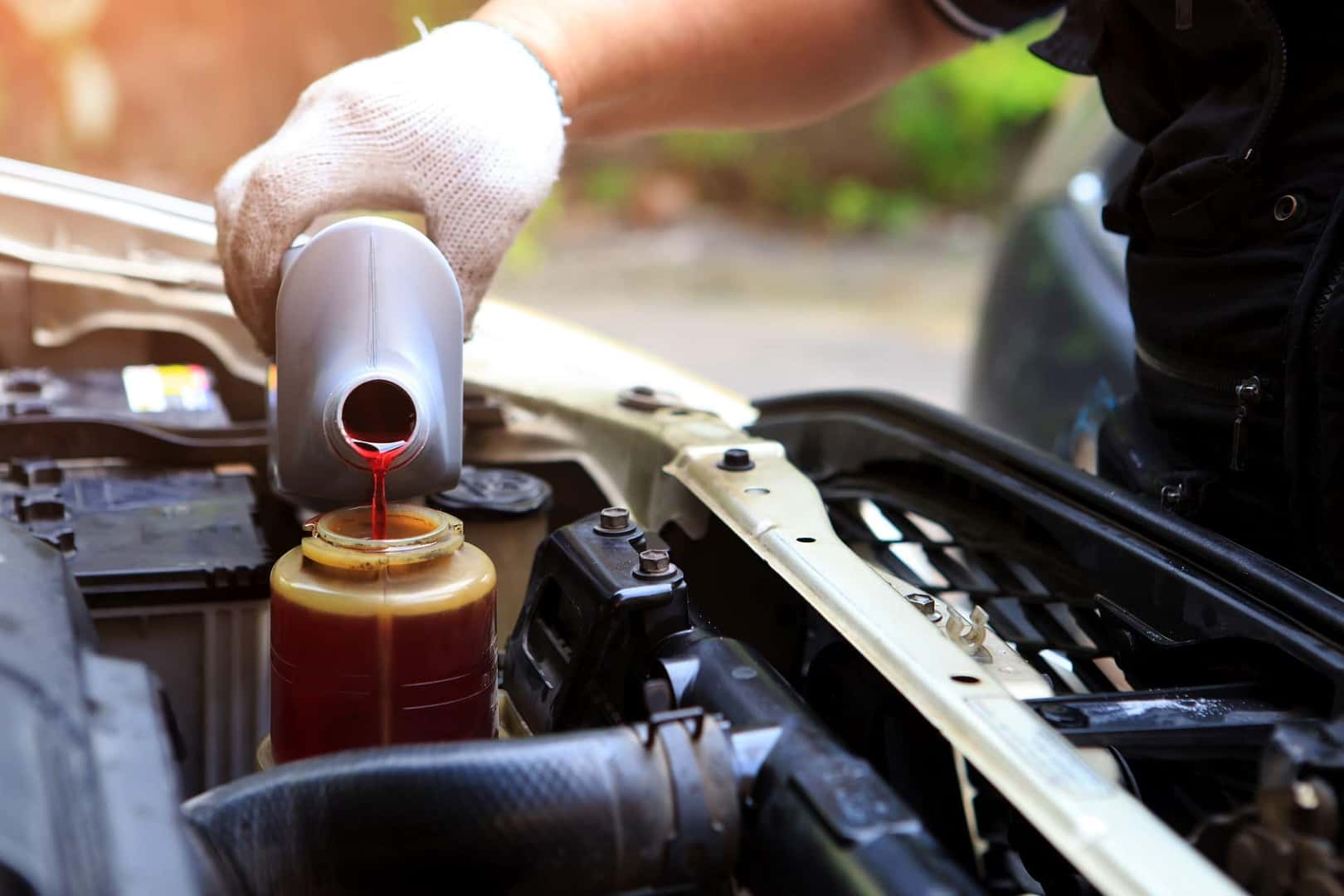
The power steering fluid enables smooth and easy steering by transferring the force from the power steering pump to the steering gear. It also lubricates and cools the power steering system components.
Low power steering fluid levels can lead to steering difficulties, excessive noise, and potential damage to the power steering pump.
To check your car’s power steering fluid level:
- Park your car on level ground and open the hood.
- Locate the power steering fluid reservoir, which is typically a semi-transparent plastic container with markings for minimum and maximum levels.
- Check the fluid level, ensuring it is between the “min” and “max” marks. If it’s low, top it up with the recommended power steering fluid specified in your owner’s manual.
Signs of a Fluid Leak and What to Do
Fluid leaks can lead to low fluid levels and potential damage to your car. It’s essential to be aware of the signs of a fluid leak and address it promptly.
Signs of a fluid leak may include:
- Puddles or stains under your car
- Unusual noises, such as grinding or whining
- Reduced vehicle performance, such as rough shifting or difficulty steering
- Warning lights on your dashboard
If you suspect a fluid leak, consult a qualified mechanic to identify the source and perform any necessary repairs.
Regular Maintenance Check
Regularly checking your car’s fluid levels is crucial to vehicle maintenance. It’s essential to schedule regular maintenance checks to ensure all fluid levels are correct and the vehicle is functioning optimally.
Refer to your owner’s manual for the recommended maintenance intervals and follow them accordingly.
Conclusion
Checking your car’s fluid levels and why it’s important can save you money on costly repairs and ensure your vehicle remains safe and reliable on the road.
By regularly checking and maintaining the levels of engine oil, coolant, brake fluid, transmission fluid, and power steering fluid, you can prolong the life of your vehicle and enjoy a smoother driving experience.
We at Auffenberg of Farmington offer the best car service, complete with an oil change, car fluid inspection and more. If you’re interested in browsing, we have a wide inventory of new and used cars.
For any queries, you can visit our dealership at 830 VALLEY CREEK DR, FARMINGTON, MO 63640. Our team of experts is available on our 24/7 chat service to help you with all your car needs!

0 comment(s) so far on How to Check Your Car’s Fluid Levels and Why It’s Important