
The Impact of Self-Driving Cars on the Automotive Industry
Key Takeaways
- Self-driving cars are expected to decrease accidents, leading to lower insurance costs and safer roads.
- The introduction of autonomous vehicles will shift car ownership models, with more people opting for shared and subscription-based services.
- Traditional car manufacturers must adapt to the new technology or risk being left behind by innovative startups.
- Infrastructure and regulatory frameworks will need to evolve to accommodate self-driving cars.
- Employment opportunities in the automotive industry will change as new skill sets are required to develop and maintain autonomous vehicles.
Prepare for a breathtaking transformation in the automotive industry as self-driving cars take the wheel. With advancing technology, these vehicles are set to reshape our travel experience, change work dynamics, and redefine our relationship with the world around us.
The shift from conventional cars to their autonomous counterparts will ignite a wave of innovation, from manufacturing processes to opening up new employment avenues. The possibilities are endless!
This article will explore the various aspects of the impact of self-driving cars on the automotive industry and discuss how they are shaping the future of transportation.
Decrease in Accidents and Insurance Costs
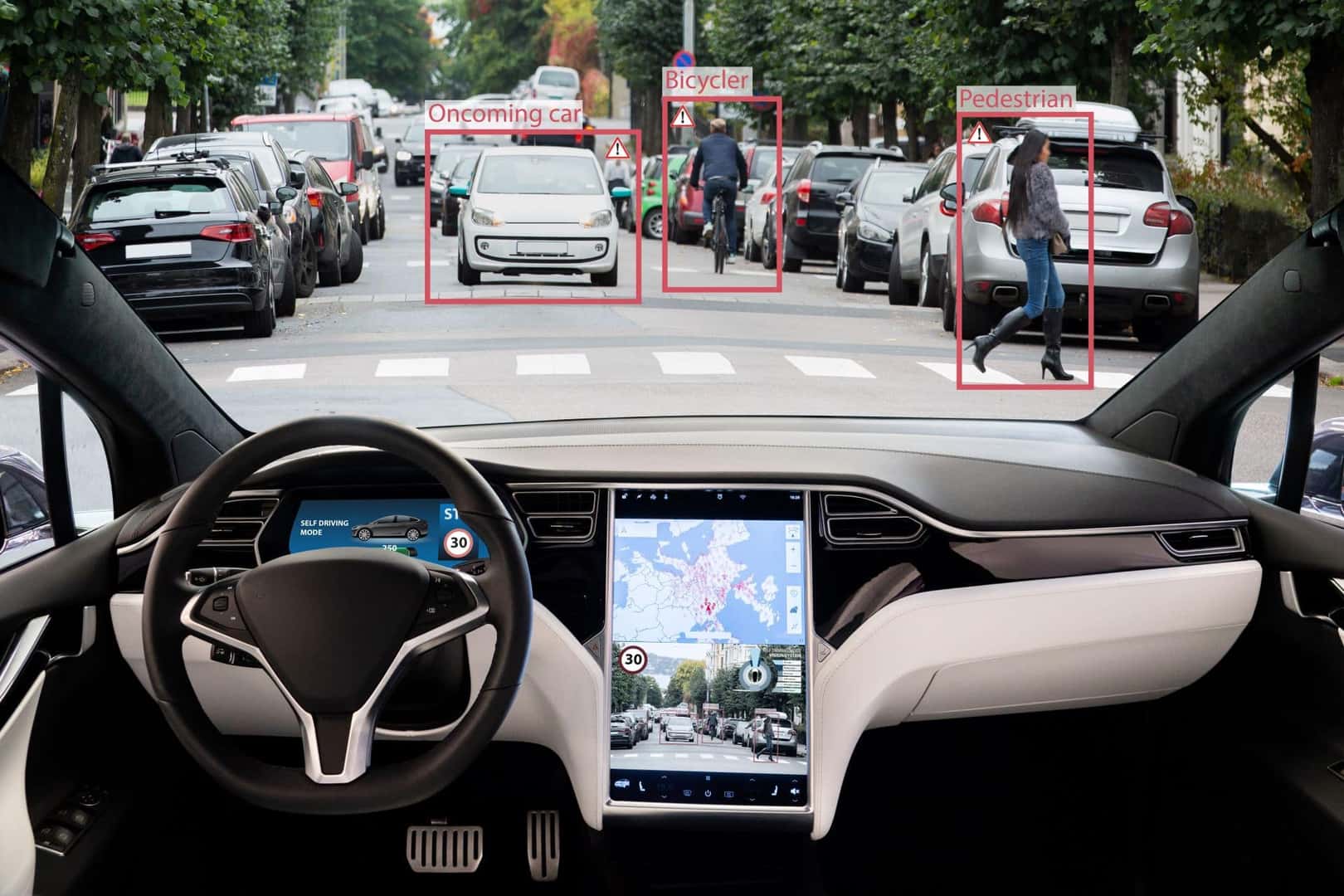
One of the most significant benefits of self-driving cars is the potential to reduce the number of accidents on the road.
Human error is responsible for a significant portion of traffic accidents worldwide, and autonomous vehicles are expected to mitigate this by utilizing advanced sensor technology, machine learning, and artificial intelligence.
As a result, introducing self-driving cars is expected to lead to safer roads and fewer accidents.
This decrease in accidents will directly impact the automotive insurance industry. With fewer accidents, insurance companies will likely see a drop in claims, leading to lower insurance premiums for consumers.
Additionally, as the adoption of self-driving cars becomes more widespread, the insurance industry must adjust its coverage models and risk assessments to account for the new technology and shifting ownership trends.
Shift in Car Ownership Models
The impact of self-driving cars on the automotive industry will also be seen in how people own and use vehicles. As autonomous vehicles become more accessible, there is expected to be a shift towards shared and subscription-based car ownership models. Convenience, cost savings, and increased urbanization will drive this shift.
Ride-sharing platforms like Uber have already begun integrating self-driving cars into their fleets, and the trend is expected to grow.
Additionally, car subscription services that offer access to various vehicles every month could become more prevalent, as consumers may prefer the flexibility and convenience of such services over traditional car ownership.
Traditional Manufacturers vs. Startups
The rise of self-driving cars has created an environment where traditional car manufacturers must adapt or risk being left behind.
Companies like Tesla, Waymo, and Cruise have made significant strides in autonomous vehicle technology, while traditional automakers such as Toyota and General Motors have been slow to catch up.
As a result, the automotive industry has seen an influx of startups and tech companies entering the space, pushing innovation and challenging the status quo.
To stay competitive, traditional car manufacturers must invest in research and development, form strategic partnerships with tech companies, and embrace new business models centered around autonomous vehicles.
This shift will require significant resources and potentially result in job losses and restructuring within these companies.
Infrastructure and Regulatory Frameworks
As self-driving cars become more prevalent, the infrastructure and regulatory frameworks surrounding them must evolve. Cities will need to adapt their roadways, traffic signals, and parking structures to accommodate autonomous vehicles.
Additionally, there will be a need for dedicated lanes, charging stations, and updated signage to ensure the safe and efficient operation of self-driving cars.
Regulatory frameworks must also be updated to accommodate the widespread adoption of self-driving cars. Governments will have to create new legislation and regulations to address issues such as liability, data privacy, and cybersecurity.
Furthermore, international standards and guidelines must be established to ensure consistency across borders and facilitate the global adoption of autonomous vehicles.
Employment Opportunities and Skill Requirements
The impact of self-driving cars on the automotive industry will inevitably lead to changes in employment opportunities and skill requirements.
As autonomous vehicles become more commonplace, there will be a decreased demand for traditional jobs such as taxi, truck, and delivery drivers.
However, new employment opportunities will emerge in software development, data analytics, and autonomous vehicle maintenance.
The shift in skill requirements will necessitate rethinking education and training programs for those in the automotive industry.
Existing employees will need to be reskilled, and new entrants to the workforce will need to be equipped with the technical knowledge and expertise to support the development and maintenance of self-driving cars.
Environmental Impact
The widespread adoption of self-driving cars could also positively impact the environment. Autonomous vehicles are expected to be more fuel-efficient due to optimized driving patterns, reduced congestion, and the potential for decreased car ownership.
Additionally, many self-driving cars are being developed as electric vehicles, further reducing greenhouse gas emissions and air pollution.
However, there are potential environmental drawbacks to consider as well. The increased reliance on technology and electronics in self-driving cars could lead to a higher demand for rare earth metals and minerals, resulting in increased mining and environmental degradation.
Furthermore, the disposal and recycling of electronic components in these vehicles could present new challenges for the automotive industry and waste management systems.
Conclusion
The impact of self-driving cars on the automotive industry is exciting and challenging. By embracing innovation and working together to address the challenges and opportunities presented by autonomous vehicles, the automotive industry can help shape a safer, more efficient, and environmentally friendly future for transportation.
If you want to learn more about how self-driving cars will revolutionize the automotive industry, reach out to the experts at Auffenberg Chevrolet Buick GMC – we’ll be more than happy to answer your queries.

0 comment(s) so far on The Impact of Self-Driving Cars on the Automotive Industry